
From Machine to Bodyweight
On a machine, you know exactly what to do: set the weight, sit down, go. Here you'll find the matching bodyweight exercise for common gym machines, organised by the seven movement patterns, with a progression from easy to hard.
Neither better nor worse
All strength training counts. Machines guide the movement, support you and adjust in small steps. Bodyweight exercises need no equipment and also challenge your balance, core stability and mobility. At the same effort, your muscles respond to both.
How to use this overview
- Find the machine you know.
- Start on the first step of the progression.
- You're on the right step if you can hold good form for 40 seconds and it gets hard towards the end. When it gets easy, move up.
Seven machines, seven movement patterns
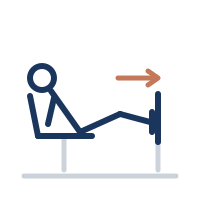
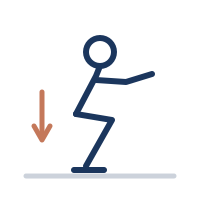
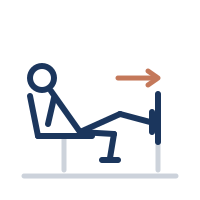
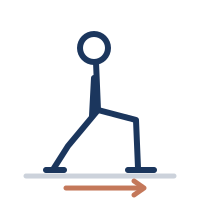
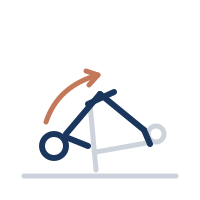
Lunge
Single Leg Leg Press
Also challenges: Balance, hip stability, left/right comparison
Few machines exist, because machines almost always work both legs while seated. The closest is the single-leg leg press.
Hinge
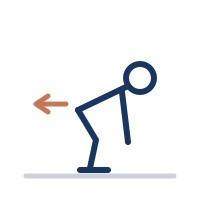
Leg Curl + Back Extension
Also challenges: Balance, the whole posterior chain working together
No classic machine. The leg curl and back extension each train one part of the pattern.
Pull
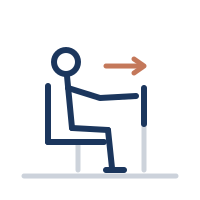
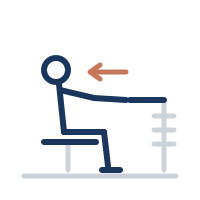
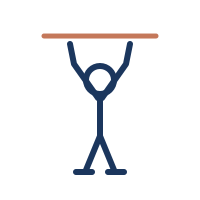
Seated Row
Also challenges: Glutes and core keep your body straight
You need something to pull on: a closed door, a sturdy table or a bar.
Core
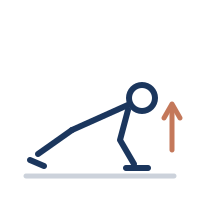
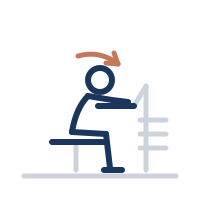
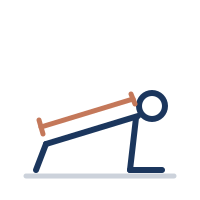
Ab Crunch Machine
Also challenges: Stability instead of flexion
The ab machine flexes your trunk. In the core pattern you keep it stable while your arms or legs move.
Locomotion
Treadmill
Also challenges: Coordination, changing surfaces
Outdoors you add curves, stairs and uneven ground. On the floor, locomotion becomes a strength exercise.
More machines
Many gyms have more machines. Here are the most common ones, each with a bodyweight progression.
supplementary
Learn more about the seven basic patterns in Movement patterns explained. For the background and the research, read the German article Maschine oder Bodyweight? on sevenmiles.ch.